
There is a peculiar comfort in the familiar clink of gold coins and the soft thud of a Horadric Cube being opened. In an era where live-service games demand constant attention with battle passes and seasonal gimmicks, Diablo 2 Resurrected stands as a monument to a different kind of commitment. It is not a game that rushes to greet you; rather, it waits patiently, offering the same grim corridors of the Monastery and the same sun-scorched sands of Lut Gholein that have existed for over two decades. Yet, in its remastered form, the game has found a new vitality, proving that true endgame content is not always about novelty, but about the purity of the chase.
At its core, the enduring magic of Diablo 2 Resurrected lies in its economy of scarcity. The game revolves around a single, obsessive keyword: loot. Unlike modern action RPGs that shower players with legendary items every few minutes, this title operates on a philosophy of starvation. A unique item dropping from Mephisto or Baal is an event. A high rune—the currency of the realm—sparking off a fallen corpse in the Chaos Sanctuary can elevate a heart rate like few other digital experiences. This scarcity creates weight. Every piece of equipment, from a simple Shako to a perfectly rolled Grief runeword, tells a story. It represents hours of targeted farming, fortunate trades in lobbies, or moments of sheer, unadulterated luck. The remastered graphics allow these iconic items to gleam with a new luster, but the thrill remains primal.
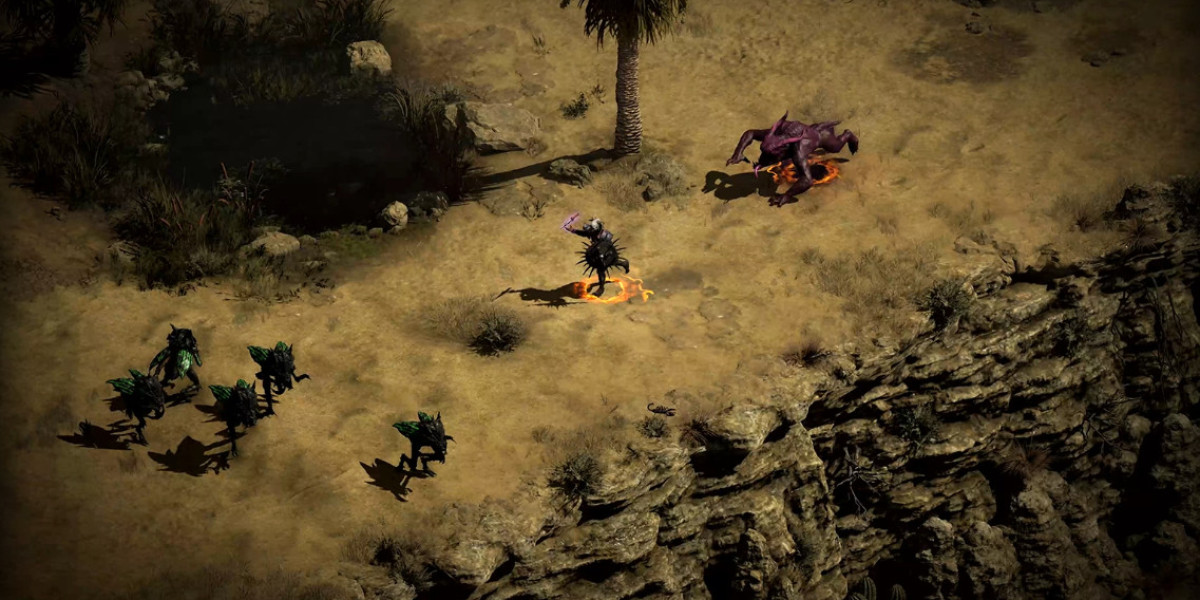
The visual and auditory overhaul in Resurrected did more than polish a classic; it re-contextualized it. The addition of a shared stash alone changed the social fabric of the game, allowing players to hoard their spoils across characters without the logistical nightmare of muling through disconnected accounts. Furthermore, the toggle to switch between legacy and remastered graphics serves as a living museum. One can stare at the same pixelated wall from 2001 and, with a press of a button, watch as torchlight flickers across hand-painted stone textures. This duality respects the past while embracing the present, creating a sanctuary for veterans who remember dial-up connections and a welcoming environment for newcomers who expected modern visual fidelity.
Yet, the game is not without its grueling realities. The pursuit of the perfect "Enigma" runeword—a chase that defines the late-game experience—requires a Jah and a Ber rune, two of the rarest items in the game. Players often find themselves running the same boss or chest for thousands of repetitions. It is a monotonous, almost meditative cycle. But it is within this grind that the community thrives. The game’s social structure, reliant on old-school lobby names like “N Torch 4 Sale” or “Act 2 Quest Rush,” fosters a sense of direct interaction that matchmaking queues have erased elsewhere. Trading becomes a negotiation, a battle of wits and knowledge of the market.
In a gaming landscape that often feels ephemeral, diablo2 resurrected offers permanence. It is a reminder that a well-designed skeleton—the balance of risk, reward, and the eternal hunt for loot—can outlive trends. It does not demand to be the only game you play; it simply asks that when you return to Tristram, you remember why you started the hunt in the first place. The journey for level 99 remains a marathon, but the path is now more beautiful, and the treasures, more precious than ever.