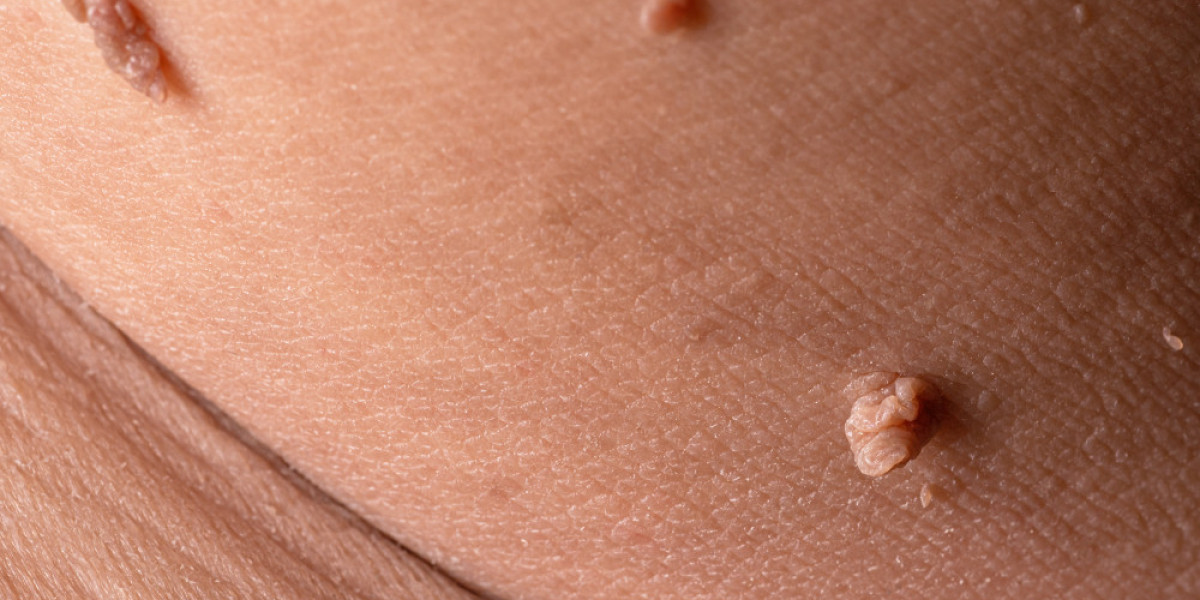

Filiform warts are a distinctive type of wart that often appear on the face, making them more noticeable than other types. These thin, thread-like growths can develop quickly and may cause concern due to their unusual appearance. While they are generally harmless, understanding their symptoms, causes, and removal options is important for proper care.
If you’re looking for a detailed overview of the symptoms and treatment of filiform warts, this resource provides valuable insights. In this guide, we’ll explain why filiform warts appear, how to identify them, and the most effective ways to remove and prevent them.
What Are Filiform Warts?
Filiform warts are benign skin growths caused by certain strains of the human papillomavirus (HPV). Unlike common warts, they have a long, narrow, and finger-like appearance, which makes them easy to distinguish.
They are most commonly found on:
Face (especially around the eyes, nose, and mouth)
Neck
Chin
Because of their location, filiform warts are often more noticeable and may affect a person’s confidence or comfort.
Why Do Filiform Warts Appear?
Filiform warts develop when HPV enters the body through small cuts or breaks in the skin. Once inside, the virus causes rapid growth of skin cells, leading to the formation of a wart.
Common Causes and Risk Factors
Direct skin-to-skin contact with HPV
Touching existing warts and spreading the virus
Shaving cuts or minor skin injuries
Weak immune system
Sharing personal items such as towels or razors
HPV thrives in warm, moist environments, which increases the likelihood of infection in certain conditions.
Symptoms of Filiform Warts
Filiform warts have unique characteristics that make them easier to identify.
Common Symptoms
Thin, elongated, thread-like growths
Rough or spiky texture
Skin-colored, pink, or slightly darker appearance
Rapid growth compared to other wart types
Typically painless but may become irritated
Because they often appear on sensitive areas like the face, they may bleed if accidentally scratched or shaved.
How Filiform Warts Differ From Other Warts
Understanding the difference between filiform warts and other types can help with early identification.
Filiform Warts
Long and narrow projections
Found mainly on the face
Grow quickly
Common Warts
Round and rough
Found on hands and fingers
Flat Warts
Smooth and flat
Usually appear in clusters
Correct identification is important for choosing the most appropriate treatment.
Are Filiform Warts Contagious?
Yes, filiform warts are contagious because they are caused by HPV. They can spread through:
Direct contact with infected skin
Touching contaminated surfaces
Sharing personal items
Self-spread by touching or scratching
Taking preventive measures can help reduce the risk of spreading the virus to other areas or people.
When Should You Seek Treatment?
Although filiform warts are not usually dangerous, there are situations where medical attention is recommended:
The wart grows quickly
It becomes painful or irritated
It spreads to other areas
It bleeds frequently