
Male pattern baldness (androgenic alopecia) is one of the most common causes of hair loss in men, affecting millions worldwide as they age. Many seek effective treatments that slow progression or restore hair naturally, leading to increasing interest in PRP Treatment Hair as a potential solution. This technique uses the patient’s own platelet‑rich plasma to stimulate hair follicles, support scalp health, and potentially encourage hair regrowth. Understanding whether it truly works for male pattern baldness requires looking at how it functions, what the science says, and what realistic outcomes can be expected.
What Causes Male Pattern Baldness
Male pattern baldness is primarily driven by genetics and hormones, especially dihydrotestosterone (DHT), which shortens the growth phase of hair follicles. Over time, affected follicles shrink, produce thinner hairs, and eventually stop producing hair altogether. Because this process is biological and progressive, treatments must address the underlying follicular activity rather than just covering up symptoms. Traditional options include medications like finasteride and minoxidil, surgical hair transplants, and increasingly, regenerative approaches like PRP.
How PRP Treatment Hair Works for Hair Follicles
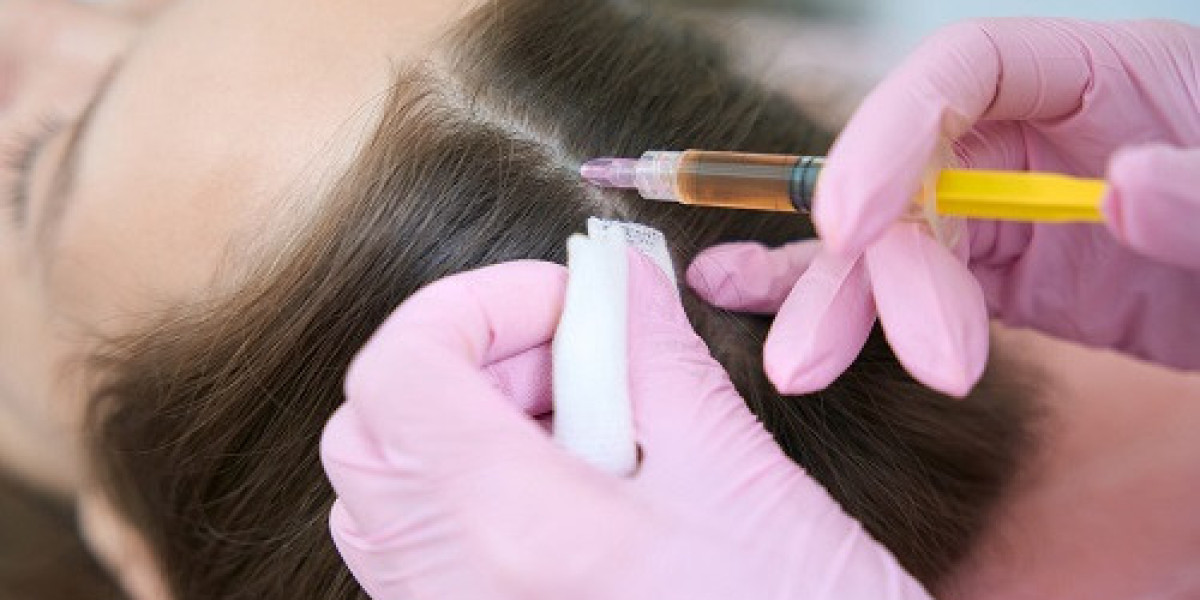
PRP Treatment Hair begins with drawing a small sample of the patient’s blood and processing it in a centrifuge to concentrate platelets—cells rich in growth factors involved in tissue repair and regeneration. When injected into the scalp, these growth factors interact with dormant or weakened hair follicles, potentially:
Stimulating cellular repair and follicle reactivation
Increasing local blood flow and nutrient delivery
Strengthening the hair growth cycle and follicular health
Supporting the scalp environment to reduce inflammation
These mechanisms aim to create conditions in which hair follicles can function more effectively and potentially produce thicker, healthier hair.
Evidence from Clinical Studies
Research on PRP for male pattern baldness has grown in recent years, with several studies showing encouraging results. Many clinical trials report that PRP can significantly:
Increase hair count per square centimeter
Improve hair thickness and diameter
Reduce hair shedding
Enhance follicle activity when used consistently over time
While individual results vary, multiple controlled studies and dermatology reports support PRP as a viable adjunct or standalone option for early to moderate male pattern hair loss.
Best Candidates for PRP in Male Pattern Baldness
PRP tends to be most effective for men in the early to moderate stages of hair loss—when follicles are still present but weakened. Ideal candidates often:
Have thinning rather than complete bald areas
Maintain a healthy scalp environment
Are committed to multiple sessions and maintenance over time
Men with extensive baldness where follicles have been dormant for many years typically see less dramatic results because PRP cannot create new follicles where none remain. In those cases, combining PRP with other treatments or transplant surgery may be more effective.
Typical Treatment Process and Timeline
A typical PRP program for male pattern baldness includes:
Initial consultation and scalp assessment
Blood draw and preparation of platelet‑rich plasma
PRP injections into targeted thinning areas
Multiple sessions spaced weeks apart
Most protocols involve an initial series of 3–4 treatments spaced 4–6 weeks apart, followed by maintenance sessions every 3–6 months. Results are gradual: early improvements in shedding and texture may be noticed within 8–12 weeks, while thicker, denser hair growth often becomes visible after 4–6 months.
Comparing PRP to Other Hair Loss Treatments
PRP is frequently compared to traditional therapies:
Medications (finasteride/minoxidil): These help slow hair loss and maintain existing hair, but don’t actively regenerate growth like PRP aims to do. They may still be used alongside PRP for enhanced benefit.
Hair Transplant: Transplants physically relocate healthy follicles to balding areas and offer permanent density. PRP does not redistribute follicles—it supports existing ones. Many surgeons use PRP alongside transplant to improve healing and graft survival.
Lasers or Topicals: Low‑level laser therapy or topical growth agents may support hair health, but PRP delivers concentrated biological growth factors that directly interact with follicular cells.
Safety and Side Effects
PRP Treatment Hair is generally considered safe, especially since it uses the patient’s own blood, greatly reducing the risk of allergic reactions or rejection. Side effects are usually mild and temporary, and may include:
Mild redness or swelling at injection sites
Slight tenderness or itching
Temporary scalp sensitivity
Serious complications are rare when performed by trained professionals.
Factors That Influence Effectiveness
The degree of success with PRP in male pattern baldness depends on several factors:
Stage of hair loss: Earlier stages respond better than advanced baldness.
Follicle health: Stronger, active follicles are more responsive.
Consistency: Following the full treatment schedule and maintenance is crucial.
Lifestyle and overall health: Diet, stress, sleep, and smoking can impact hair growth responses.
Combining PRP with supportive practices—such as gentle hair care, proper hydration, balanced nutrition, and medical therapies—often yields the best results.
Realistic Expectations for Patients
PRP is not a miracle cure, but it is a promising and scientifically supported option for many men with pattern hair loss. Realistic expectations include:
Noticeable reduction in hair shedding
Gradual improvement in hair thickness and strength
Improved scalp health and follicle function
However, complete reversal of baldness is unlikely with PRP alone, especially in later stages. Transparency with a hair specialist helps ensure satisfaction and avoids unrealistic hopes.
Final Thoughts:
PRP Hair Treatment is an effective, science‑based approach for many men dealing with early to moderate male pattern baldness. While it doesn’t replace surgical solutions like hair transplant for advanced cases, it offers a minimally invasive option that can strengthen hair, support follicle function, and enhance overall scalp health. When used appropriately and combined with a tailored regimen, PRP can be a valuable part of a comprehensive strategy to slow hair loss and improve hair density over time.