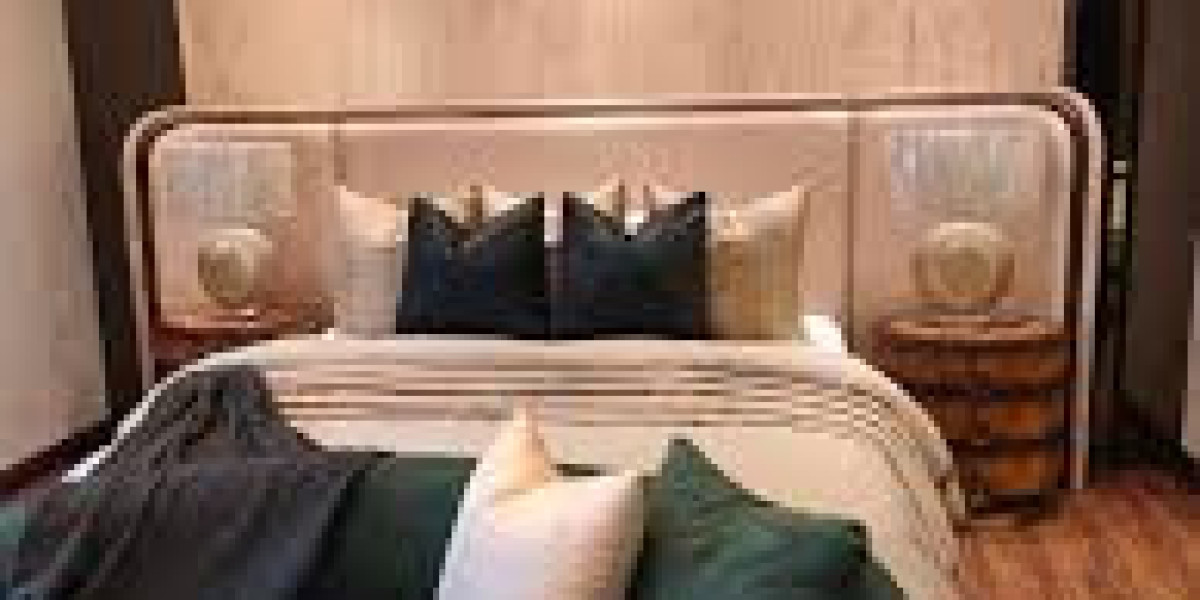

Room interior design is an art that blends aesthetics, comfort, and functionality to create spaces that reflect your personality and lifestyle. Whether you’re redesigning a bedroom, living room, or study, effective room interior design transforms ordinary spaces into extraordinary ones. With the right combination of color schemes, furniture, lighting, and decor, you can achieve a harmonious balance that enhances both the look and feel of your room.
Understanding the Basics of Room Interior Design
Before diving into decor choices, it’s essential to understand the fundamentals of room interior design. A well-designed room considers the purpose of the space, the needs of its users, and the flow of movement. Key elements include:
Layout and Space Planning – Proper room layout ensures that furniture placement complements the room’s dimensions. Start by measuring your space and planning traffic flow to avoid overcrowding.
Color Schemes – Colors impact mood and perception. Soft, neutral tones make small rooms feel larger, while bold colors add energy and character to living spaces.
Lighting – Natural light should be maximized, but layered lighting using ceiling lights, floor lamps, and task lighting can create ambiance and functionality.
Furniture Selection – Choose furniture that fits your style and scale. Multi-functional furniture pieces can be a lifesaver in small spaces.
Textures and Materials – Mixing textures like wood, metal, fabric, and glass adds depth and tactile interest to a room.
Popular Room Interior Design Styles
Selecting a design style gives your room a cohesive look. Here are some popular choices:
Modern Minimalist – Focuses on clean lines, neutral colors, and uncluttered spaces. Perfect for those who value simplicity and functionality.
Scandinavian – Characterized by light colors, natural materials, and cozy elements like throws and rugs. It’s ideal for creating a warm, inviting atmosphere.
Industrial – Features raw materials like exposed brick, metal, and reclaimed wood. This style adds an urban, edgy feel to a room.
Bohemian – Emphasizes vibrant colors, patterns, and eclectic decor. Great for creative and free-spirited personalities.
Contemporary – Blends current trends with timeless elements. Neutral tones, smooth surfaces, and subtle accents define this style.
Tips for Enhancing Your Room Interior Design
Use Mirrors Strategically – Mirrors create the illusion of more space and reflect natural light to brighten up a room.
Add Statement Pieces – A bold piece of furniture, artwork, or rug can serve as a focal point and tie the room together.
Incorporate Greenery – Indoor plants improve air quality and add a refreshing touch of nature.
Layer Textiles – Combining curtains, rugs, and cushions adds warmth and comfort.
Personalize Your Space – Display photos, souvenirs, or DIY art to make the room truly yours.
Balancing Functionality and Aesthetics
A great room interior design doesn’t just look good—it works well for your lifestyle. For bedrooms, prioritize storage and comfort. In living rooms, seating arrangements should encourage conversation. Home offices require ergonomic furniture and organized storage. Always consider both how a space feels and how it functions.
Conclusion
Room interior design is a powerful tool to enhance your living experience. By carefully considering layout, colors, lighting, furniture, and personal touches, you can create a space that is both beautiful and functional. Whether you prefer modern minimalism, cozy Scandinavian vibes, or vibrant Bohemian flair, the right design choices will make your room a reflection of your style and a haven for everyday life.