
For modern B2B organizations, aligning sales and marketing is crucial for driving revenue and maintaining consistent lead flow. B2B Marketing Funnels provide a structured framework that helps both teams work toward common goals. By clearly defining each stage of the buyer’s journey and coordinating strategies, businesses can convert prospects efficiently while building long-term relationships.
Understanding the Role of Marketing Funnels in Alignment
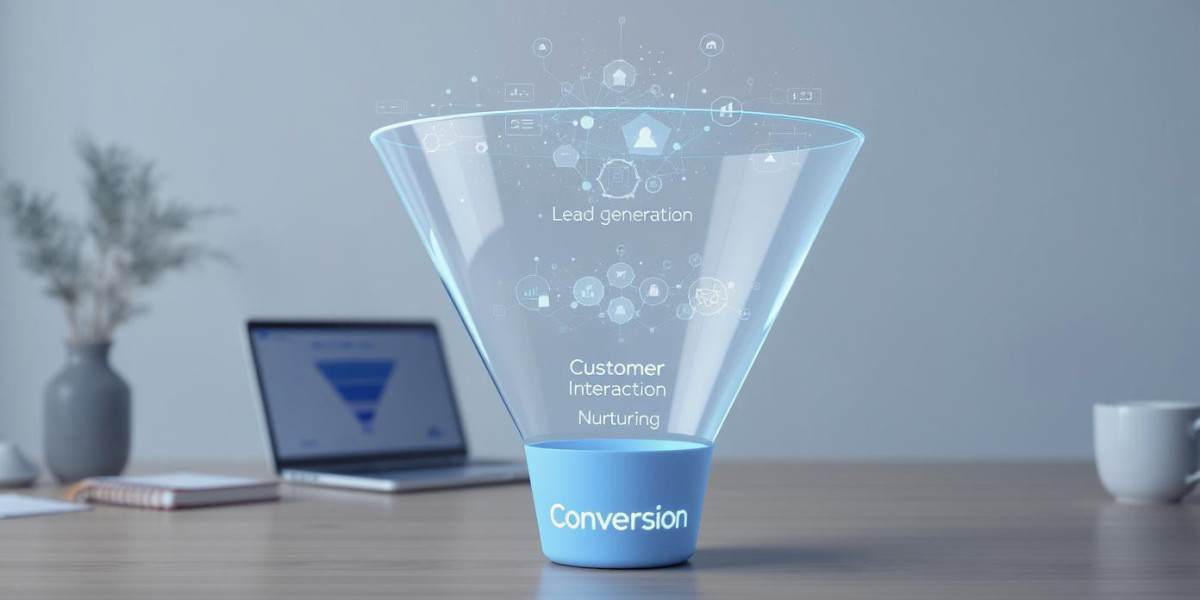
A B2B marketing funnel outlines the path a prospect takes from first awareness of a company to becoming a paying client. Misalignment between marketing and sales often results in lost leads, wasted resources, and missed revenue opportunities. Funnels provide a shared framework that both teams can use to track leads, measure engagement, and understand where prospects are in the buyer journey.
Awareness Stage: Marketing’s Responsibility
At the awareness stage, marketing teams focus on generating interest and attracting qualified leads. Effective strategies include:
Publishing blogs, whitepapers, and industry insights
Hosting webinars, podcasts, and virtual events
Leveraging social media, particularly LinkedIn, for professional outreach
Marketing sets the tone for the relationship at this stage, establishing credibility and capturing attention. Clear communication of target audience criteria ensures that the sales team receives qualified leads.
Consideration Stage: Collaborative Efforts
In the consideration stage, prospects evaluate potential solutions. Here, both marketing and sales play a role:
Marketing provides comparison guides, case studies, and educational content
Sales engages with personalized outreach, answering detailed questions, and offering consultations
Regular feedback loops between teams help refine messaging and ensure that leads receive consistent, relevant information throughout the funnel.
Decision Stage: Sales Takes the Lead
At the decision stage, the prospect is ready to make a purchase. Sales teams guide the conversion process with strategies such as:
Personalized demos or trials
ROI-focused presentations
Testimonials and success stories from satisfied clients
Marketing supports this stage by providing materials that reinforce the value proposition, helping sales close deals more efficiently.
Strategies to Align Sales and Marketing Through Funnels
Shared KPIs
Both teams should agree on key performance indicators (KPIs) to measure success. Metrics like lead conversion rate, cost per lead, and customer acquisition cost ensure that marketing and sales focus on shared goals.
Lead Scoring
Lead scoring assigns values to prospects based on engagement and behavior, helping both teams prioritize high-quality leads. This ensures sales focuses on the most promising prospects while marketing continues nurturing others.
CRM Integration
A shared CRM system allows both marketing and sales teams to track lead activity, manage follow-ups, and monitor the progression through the funnel. Transparency in lead status reduces miscommunication and duplication of efforts.
Regular Communication
Scheduled meetings and feedback sessions promote collaboration, align messaging, and address challenges promptly. Marketing can gain insights from sales interactions, while sales benefits from campaign data and engagement analytics.
Content Alignment
Marketing must create content tailored to each stage of the funnel that supports sales objectives. This ensures leads receive consistent messaging and reduces friction during handoffs between teams.
Challenges in Sales-Marketing Alignment
Disjointed Processes: Without a shared framework, marketing and sales may work in silos, missing opportunities.
Inconsistent Messaging: Differing communication styles can confuse prospects.
Lead Quality Issues: Marketing may deliver leads that do not meet sales’ criteria, slowing conversions.
Tracking Complexity: Multi-channel campaigns require careful monitoring to ensure seamless alignment.
Important Information of This Blog
Aligning sales and marketing through B2B marketing funnels ensures a cohesive, efficient lead-to-customer journey. By defining roles, sharing KPIs, implementing lead scoring, and maintaining clear communication, businesses can reduce friction, improve conversions, and increase ROI. Proper alignment also fosters stronger interdepartmental collaboration and enables more personalized engagement with prospects. Investing in funnel-based strategies creates a system where both teams work in harmony, ultimately driving sustainable growth and enhancing customer satisfaction.
At Acceligize, we empower entrepreneurs, small businesses, and professionals with cutting-edge insights, strategies, and tools to fuel growth. Driven by a passion for clarity and impact, our expert team curates’ actionable content in business development, marketing, operations, and emerging trends. We believe in making complex ideas simple, helping you turn challenges into opportunities. Whether you’re scaling, pivoting, or launching a new, Acceligize offers the guidance and resources to navigate today’s dynamic marketplace. Your success is our commitment, because when you thrive, we thrive together.