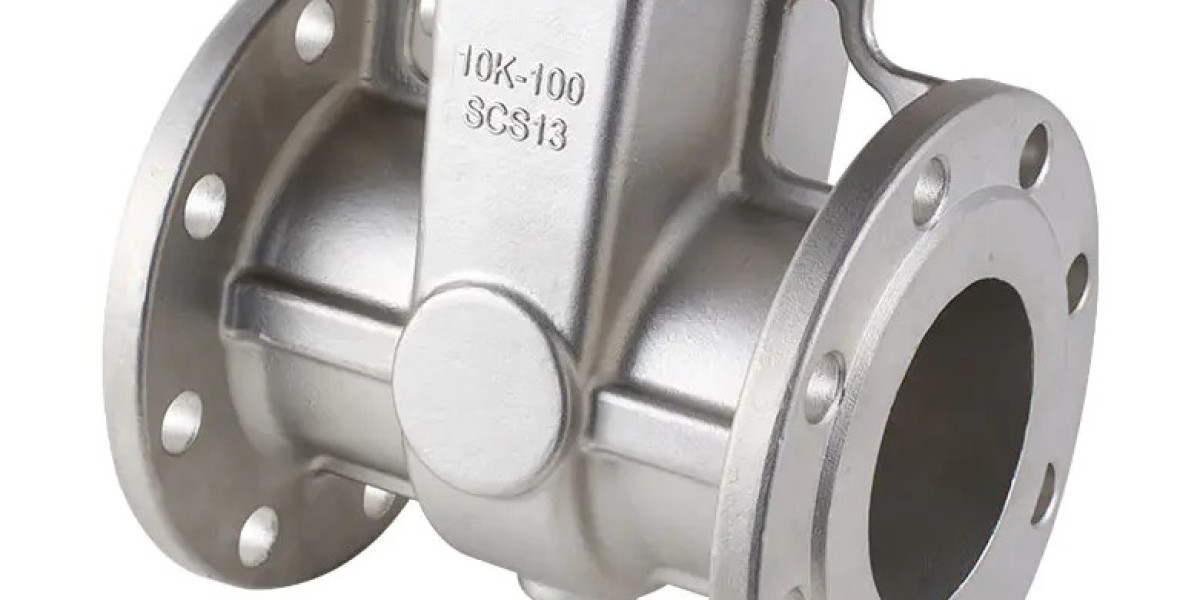

Energy transportation relies heavily on long pipeline networks that move crude oil and refined fuels across large distances. Within these systems, the Flame Retardant Valve and the Petroleum Valve support the regulation of fluid flow while addressing safety considerations associated with combustible materials. Their presence in pipeline infrastructure allows operators to manage pressure, direct product movement, and maintain equipment integrity during continuous operation.
Oil pipelines connect extraction sites, storage terminals, refineries, and distribution facilities. The transportation process involves moving petroleum products through pipelines that may extend across different climates and terrains. Changes in temperature, pressure, and fluid composition occur as the product travels through these networks.
Petroleum valves play a central role in managing these conditions. Installed at various intervals along the pipeline, they allow operators to control the direction and speed of fluid movement. Valves may also isolate specific sections of the pipeline when maintenance tasks or inspections are required.
Pipeline operators frequently place valves near pumping stations, junction points, and storage facilities. These locations require reliable flow control because they manage transitions between different segments of the transportation network. Accurate valve positioning helps maintain consistent pressure levels throughout the pipeline.
Safety considerations influence valve design as well. Petroleum products transported through pipelines may generate vapors that are flammable under certain conditions. Equipment used in these systems therefore must tolerate exposure to heat while maintaining structural stability.
Flame retardant valve technology addresses these concerns through the use of heat-resistant materials and protective surface treatments. Valve bodies may incorporate alloys capable of maintaining their mechanical properties under elevated temperatures. Sealing components may also include materials designed to retain elasticity even when exposed to heat.
These features help ensure that valve assemblies remain functional during unexpected thermal exposure. When valves continue operating reliably, pipeline operators have more time to respond to unusual conditions and stabilize the system.
Remote control capabilities have become increasingly common in pipeline infrastructure. Modern petroleum valves may connect to monitoring systems that track operational parameters such as pressure and flow rate. Through these systems, engineers can adjust valve positions without traveling to each installation site.
Communication technology plays an important role in managing extensive pipeline networks. Sensors distributed along the pipeline collect information that helps operators evaluate system performance. When monitoring systems detect irregular pressure patterns, operators can adjust valve settings or isolate affected segments.
Pipeline maintenance procedures often rely on valve systems to manage inspection activities. Certain inspection tools travel inside pipelines to assess internal conditions. Valves located along the route allow operators to direct these tools or control the movement of fluids during inspection operations.
Environmental protection has also become an important factor in energy transportation infrastructure. Operators aim to prevent leaks and minimize product loss during pipeline operation. Reliable valve sealing contributes to maintaining containment of petroleum products within the pipeline system.
Engineering considerations for petroleum valves include pressure rating, temperature tolerance, and compatibility with transported fluids. Different petroleum products exhibit varying chemical properties, which influence the selection of valve materials and sealing technologies.
Manufacturing processes used in valve production continue evolving as material science advances. Improved casting techniques and precision machining help produce valve bodies with consistent dimensions and structural stability. These improvements support reliable performance under demanding pipeline conditions.