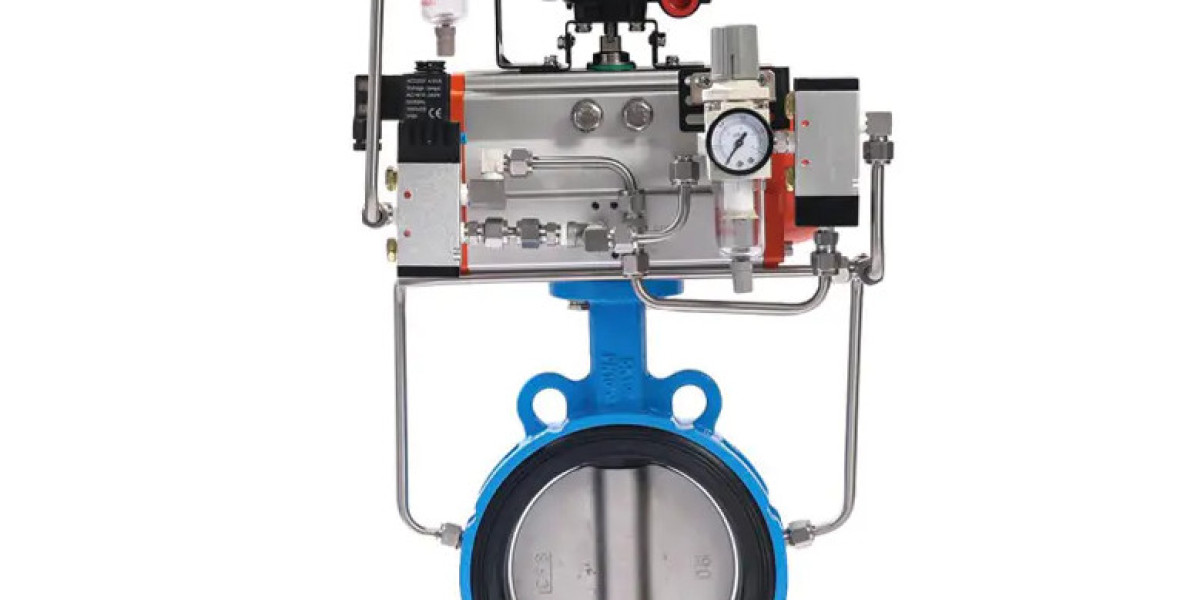

Industrial systems that transport powders, grains, or fine minerals require reliable methods of regulating airflow and material movement. A dust butterfly valve often becomes part of this solution because its rotating disc structure allows operators to control pipeline flow with relatively simple mechanical movement. Behind the production of these valves lies the process of mold manufacturing, which shapes the metal components used in the valve body and internal parts. Manufacturers such as Zhejiang Xiafeng Precision Die Casting Co., Ltd. participate in this process by producing die-cast parts that form the structural foundation of many industrial valves.
Pneumatic conveying systems appear in a wide range of industries. Powdered materials must travel between storage silos, mixing equipment, and packaging stations. Airflow generated by compressors or blowers carries the materials through enclosed pipelines. During this process, valves regulate the direction and speed of the flow. Without reliable valves, maintaining stable transport conditions becomes difficult.
The butterfly valve design provides a straightforward method for controlling airflow. The disc mounted inside the valve rotates along a central shaft. When positioned parallel to the pipeline, materials pass through freely. Rotating the disc gradually restricts the opening until the flow stops. This motion requires limited space and allows relatively quick response during system adjustments.
The durability of these valves depends heavily on how their components are produced. Mold manufacturing defines the shape and structural characteristics of the cast metal parts. Engineers must consider factors such as metal flow patterns, cooling rates, and material shrinkage when designing molds. A well-designed mold ensures that the casting process produces parts with consistent dimensions.
Zhejiang Xiafeng Precision Die Casting Co., Ltd. utilizes die casting techniques that allow molten metal to be injected into molds under controlled pressure. This method supports the production of components with detailed geometry and relatively smooth surfaces. After casting, the parts typically undergo machining processes to achieve precise tolerances required for valve assembly.
Material selection also influences the performance of a dust butterfly valve. Aluminum alloys are frequently used because they offer a balance between structural strength and manageable weight. These materials resist corrosion in many industrial environments and are suitable for die casting processes that produce complex shapes.
Another important factor involves internal surface design. Smooth surfaces inside the valve body help reduce the accumulation of dust particles during operation. When airflow passes through the valve, a streamlined interior encourages consistent movement of materials. Mold manufacturing directly affects this feature because the mold cavity defines the internal contour of the cast component.
Sealing components also contribute to the overall functionality of the valve. Seals positioned around the edge of the rotating disc prevent particles from escaping when the valve closes. Accurate alignment between the disc and the valve body ensures the sealing elements perform effectively. Achieving this alignment requires careful coordination between casting accuracy and machining precision.
Industrial automation has encouraged further development of valve technology. Butterfly valves can be connected to pneumatic or electric actuators, allowing remote control through digital systems. Operators can adjust airflow from control rooms while monitoring sensors that measure pressure or material flow. This integration improves efficiency in facilities that handle large volumes of powder materials.
Maintenance remains an important consideration for industrial equipment. Dust handling systems often operate continuously, so components must be accessible for inspection and servicing. Butterfly valves usually feature designs that allow technicians to replace seals or internal parts without dismantling the entire pipeline section.