
Overview of VPN tunneling
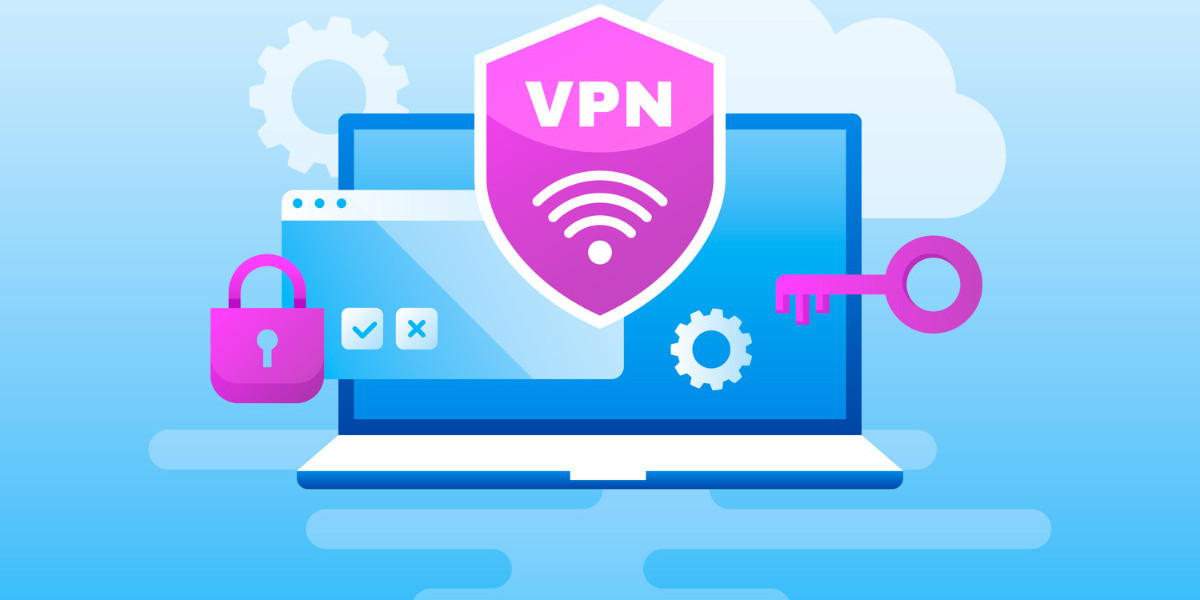
VPN with tunneling is the process that happens using a VPN tunnel. A VPN tunnel is a secure and encrypted connection that is established between a remote server and your device. A VPN tunnel is primarily used by people to protect the data that they are sending and receiving from interception.
Understanding the working process of VPN tunneling
The first step requires you to select a VPN protocol, which many VPN services do not let users choose because they automatically establish a default protocol, yet some services permit users to select their desired protocol based on their need for either faster performance or stronger security.
When users activate the VPN system, it establishes a secure, encrypted link between their device and the VPN server. The system replaces your actual IP address with the server's virtual IP address. All your internet activity is then encrypted and sent through a protected tunnel. The VPN server begins by decrypting the incoming data, which it transmits to the target location, then receives the reply and re-encrypts it before sending it back to your device in a secure manner.
Exploring the types of VPN tunneling protocols
There are different types of VPN tunneling protocols, such as PPTP, L2TP/IPsec, OpenVPN, IKEv2/IPsec, and WireGuard. Every protocol is different in speed, security, and reliability, as there are some that focus on security and encryption, whereas others focus on better performance and faster connections.
You can explore the website VPNeer to learn more about the different kinds of tunneling protocols.