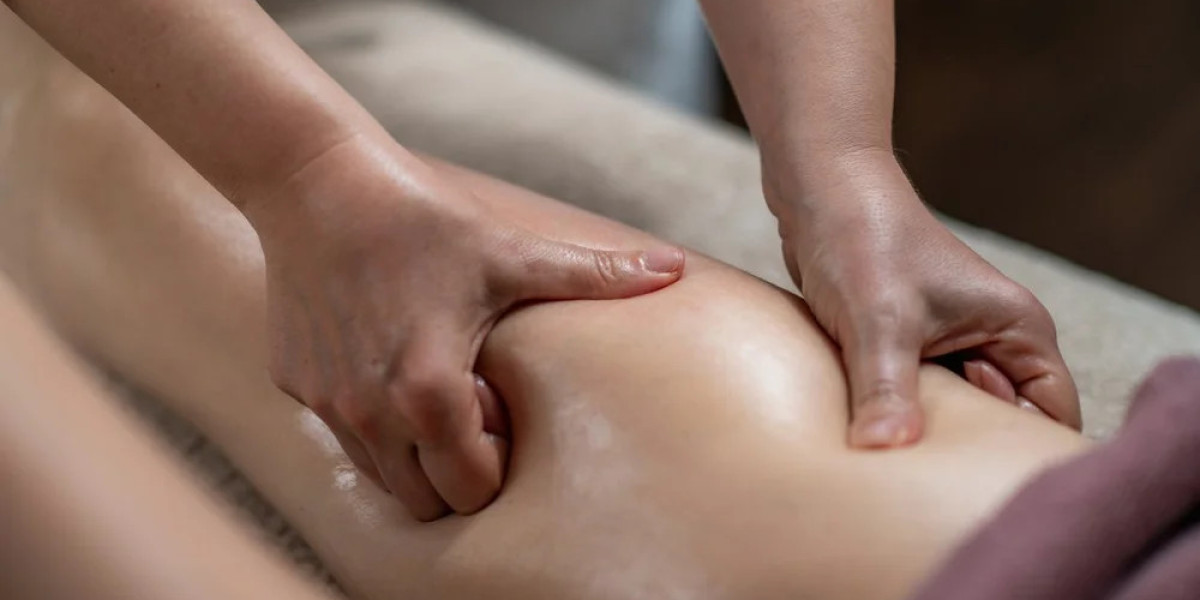

Manual Lymphatic Drainage is a specialized therapy designed to stimulate the lymphatic system, helping the body remove excess fluid, toxins, and metabolic waste. This gentle technique is especially effective for reducing swelling and inflammation, supporting recovery after surgery or injury, and enhancing overall wellness. By understanding how manual lymphatic drainage works, individuals can harness its therapeutic benefits to improve circulation, boost immunity, and promote natural healing.
What is Manual Lymphatic Drainage:
Manual lymphatic drainage is a light, rhythmic massage technique aimed at encouraging the flow of lymph fluid through the body’s lymphatic vessels. Unlike traditional massage, which targets muscles, this method focuses on lymph nodes and pathways to facilitate detoxification and reduce fluid retention. The gentle pressure and specific movements stimulate the body’s natural drainage process, promoting overall systemic balance and health.
How It Reduces Swelling:
One of the primary benefits of manual lymphatic drainage is its ability to reduce swelling caused by fluid accumulation. By moving lymph fluid toward central lymphatic ducts, the massage decreases localized edema and supports the body’s natural healing mechanisms. Regular sessions can help manage post-surgical swelling, chronic fluid retention, or injury-related inflammation, making it a valuable tool for both recovery and preventative care.
Anti-Inflammatory Effects:
Manual lymphatic drainage can also help modulate inflammation throughout the body. By promoting fluid movement and toxin removal, this therapy reduces pressure on tissues and minimizes inflammatory responses. Additional benefits include improved oxygenation of tissues, which supports cellular repair and reduces discomfort associated with chronic inflammation or minor injuries.
Who Can Benefit:
Manual lymphatic drainage is suitable for a wide range of individuals, particularly those dealing with swelling or inflammation-related conditions:
Patients recovering from surgery or injury.
Individuals with chronic edema or lymphedema.
People experiencing post-inflammatory fluid retention.
Those seeking gentle methods to support immune function.
Athletes aiming to enhance recovery and reduce localized swelling.
Techniques Used in Manual Lymphatic Drainage:
Certified therapists use specific techniques to optimize lymph flow and reduce inflammation:
Gentle Circular Motions: Stimulate lymph nodes and vessels.
Pumping Strokes: Direct lymph toward central ducts to encourage drainage.
Stationary Pressure: Applied to key points to enhance fluid movement.
Sequential Flow: Following a structured order ensures optimal results.
Preparing for a Session:
Proper preparation enhances the effectiveness of manual lymphatic drainage:
Hydration: Drinking water supports lymph fluid movement and detoxification.
Comfortable Clothing: Loose attire allows easy access for treatment.
Medical Consultation: Essential for individuals with underlying conditions or post-surgery concerns.
Relaxation: Arriving calm improves therapy response and overall benefits.
Aftercare and Maintenance:
After a session, certain practices help maintain results and support ongoing wellness:
Continue Hydration: Helps flush toxins released during treatment.
Light Exercise: Walking or stretching encourages lymphatic circulation.
Balanced Nutrition: Nutrient-rich foods support healing and anti-inflammatory effects.
Regular Sessions: Consistent treatment can enhance long-term management of swelling and inflammation.
Safety Precautions:
Manual lymphatic drainage is generally safe but requires certain precautions:
Avoid during infections, untreated wounds, or active inflammation.
Consult a doctor if you have heart, kidney, or cancer-related conditions.
Ensure the therapist is trained and certified in manual lymphatic drainage techniques.
Avoid excessive pressure, which can counteract the benefits of the therapy.
Integrating Manual Lymphatic Drainage into a Wellness Routine:
Incorporating manual lymphatic drainage into a broader wellness regimen can maximize its benefits:
Complementary Therapies: Pair with yoga or stretching to improve circulation.
Healthy Nutrition: Anti-inflammatory foods support recovery and lymphatic health.
Mindfulness Practices: Meditation and deep breathing enhance relaxation.
Consistent Hydration: Maintains lymph flow and helps manage swelling.
Final Thoughts:
Manual lymphatic drainage offers a gentle and effective approach to reducing swelling and inflammation while supporting the body’s natural healing processes. By understanding its techniques, benefits, and aftercare practices, individuals can integrate this therapy into a comprehensive wellness routine for improved circulation, detoxification, and overall health. Whether recovering from surgery, managing chronic edema, or seeking natural ways to minimize inflammation, manual lymphatic drainage provides a safe and therapeutic path to enhanced well-being.