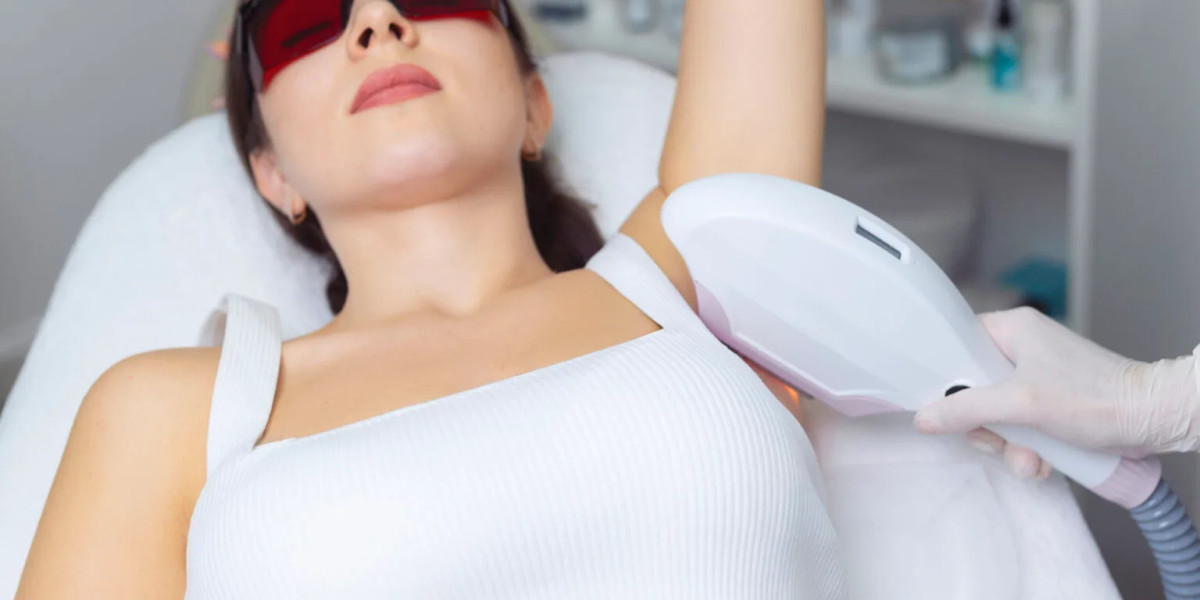

Many people turn to Laser Hair Removal for long-term hair reduction, expecting smooth skin and freedom from constant shaving or waxing. While the treatment is highly effective for many individuals, hormones play a significant role in how your body responds to the procedure. Hair growth is closely linked to hormonal activity, meaning fluctuations or imbalances can influence the speed, thickness, and pattern of regrowth. Understanding how hormones affect your results can help you set realistic expectations and create a treatment plan tailored to your body.
The Connection Between Hormones and Hair Growth:
Hair growth is regulated by a complex interaction of hormones, particularly androgens such as testosterone. Both men and women produce androgens, though in different amounts, and these hormones influence hair thickness, density, and growth patterns. Areas like the face, chest, abdomen, and bikini line are especially sensitive to hormonal stimulation. When androgen levels rise or fluctuate, hair follicles may become more active. Key hormonal influences include:
Testosterone and dihydrotestosterone (DHT)
Estrogen and progesterone balance
Thyroid hormone levels
Insulin resistance
Because laser treatments target actively growing follicles, hormonal activity directly impacts how many sessions are needed and how long results last.
How Hormonal Imbalances Can Affect Results:
When hormones are out of balance, hair may grow more rapidly or appear in new areas. Conditions such as polycystic ovary syndrome (PCOS) are known to cause excessive hair growth, particularly on the face and body. In these cases, laser sessions can still reduce hair significantly, but ongoing hormonal stimulation may lead to new follicle activation over time. Individuals with hormonal imbalances may notice:
Slower overall reduction
New hair growth in untreated areas
Need for additional maintenance sessions
Thicker regrowth between appointments
Addressing underlying hormonal concerns alongside treatment often improves long-term outcomes.
The Impact of PCOS on Hair Reduction Treatments:
PCOS is one of the most common hormonal conditions affecting hair growth in women. Elevated androgen levels can trigger coarse, dark hair on the chin, jawline, chest, and abdomen. Laser treatments are often recommended as part of a management strategy for unwanted hair, but results may require more consistency. Important considerations include:
More sessions may be required
Maintenance treatments are often necessary
Combining treatment with medical management improves effectiveness
Patience is essential for gradual reduction
When hormonal triggers remain active, the body may continue stimulating dormant follicles, making long-term maintenance part of the plan.
Pregnancy and Postpartum Hormonal Changes:
Pregnancy causes significant hormonal shifts that can temporarily alter hair growth patterns. Some individuals notice thicker hair during pregnancy, while others experience increased shedding postpartum. Because of these fluctuations, many providers recommend postponing laser treatments during pregnancy. After childbirth, hormone levels gradually stabilize, but temporary regrowth may occur. Common postpartum experiences include:
Increased facial or abdominal hair
Temporary changes in hair density
Gradual normalization within several months
Resuming treatments after hormones settle can help restore previous progress.
Menopause and Hair Growth Patterns:
Menopause brings a decline in estrogen levels, which can shift the balance toward androgen dominance. As a result, some women experience new facial hair growth or thinning scalp hair. Laser treatments can effectively target unwanted hair during this stage, but new growth may develop due to ongoing hormonal transitions. Women in menopause may observe:
Increased chin or upper lip hair
Slower but persistent regrowth
Need for occasional touch-up sessions
Hormonal changes during menopause do not prevent successful treatment, but they may influence maintenance frequency.
Thyroid Disorders and Hair Growth:
Thyroid hormones regulate metabolism and influence many bodily functions, including hair growth. Both hypothyroidism and hyperthyroidism can disrupt the normal hair cycle. While thyroid-related hair changes often affect scalp hair, body hair patterns can also shift. Individuals with thyroid disorders may notice:
Hair thinning or texture changes
Slower or uneven regrowth
Increased shedding in some cases
Managing thyroid levels through medical treatment supports more predictable laser results.
Hormonal Medications and Their Influence:
Certain medications can affect hormone levels and, consequently, hair growth. Birth control pills, hormone replacement therapy, and anti-androgen medications may either stimulate or suppress hair growth depending on the formulation. Before starting treatment, it’s important to disclose all medications to your provider. Relevant factors include:
Changes in birth control methods
Use of anti-androgen medications
Hormone therapy during menopause
Insulin-regulating treatments
Adjustments in medication can alter hair growth patterns, influencing how your body responds to sessions.
Why Multiple Sessions Are Still Effective:
Even with hormonal influences, laser treatments remain effective at targeting active follicles and reducing overall density. Hair grows in cycles, and each session captures a percentage of follicles in the growth phase. While hormones may activate new follicles over time, treated follicles that have been successfully damaged typically do not regenerate. Consistency is key, and many individuals achieve significant long-term reduction despite hormonal fluctuations.
Setting Realistic Expectations for Long-Term Results:
Understanding your hormonal profile helps establish achievable goals. Rather than expecting permanent and total elimination of hair, many individuals benefit from aiming for long-term reduction and manageable regrowth. Practical expectations include:
Significant thinning of coarse hair
Slower regrowth over time
Fewer ingrown hairs
Occasional maintenance sessions
By aligning expectations with your body’s hormonal activity, you can approach treatment with confidence and clarity.
Final Thoughts:
Hormones play a powerful role in regulating hair growth, which means they naturally influence treatment outcomes. While hormonal imbalances, life stages, and medications may affect the speed and extent of results, laser treatments remain an effective solution for reducing unwanted hair. The key lies in understanding your body, maintaining consistency, and working with a qualified provider to create a personalized plan. With realistic expectations and proper medical guidance when necessary, you can achieve smoother skin and long-term hair reduction—even in the presence of hormonal fluctuations.