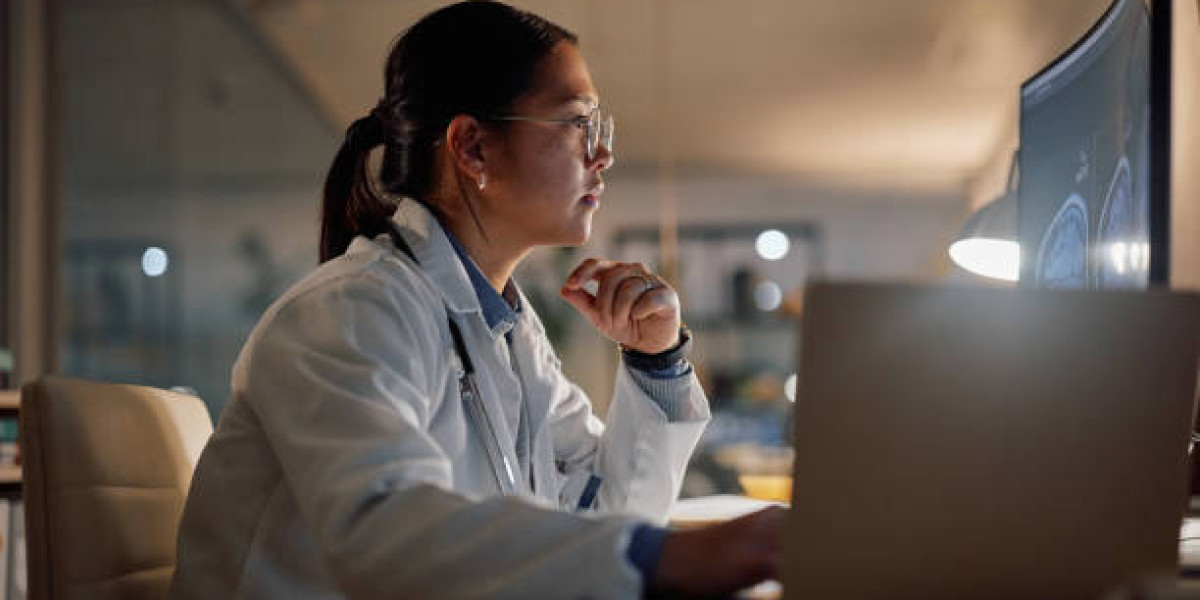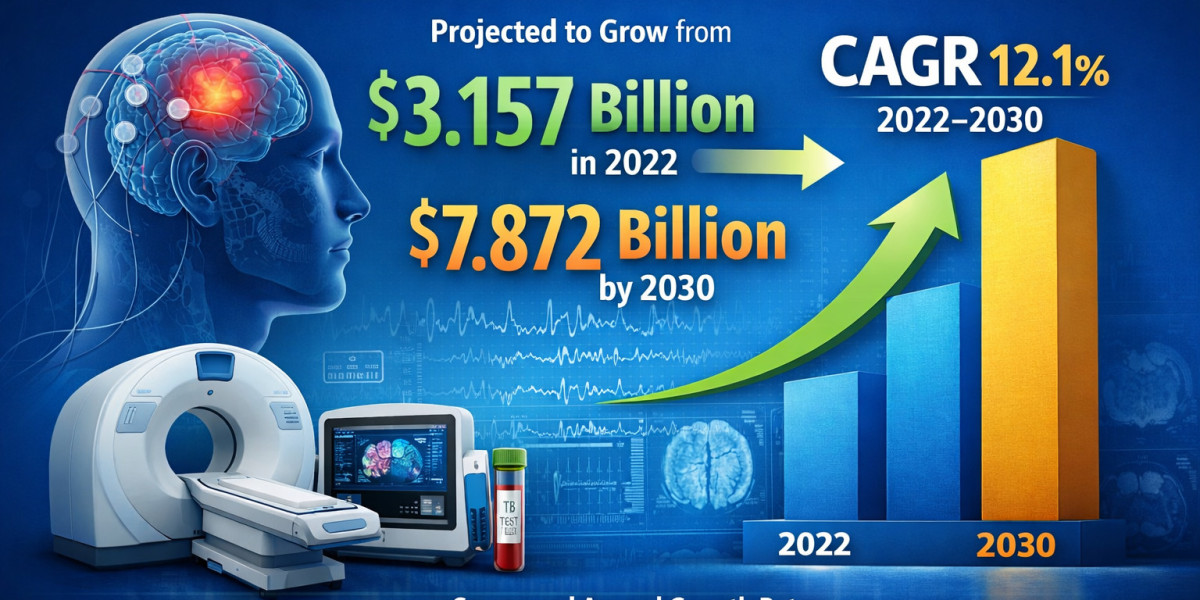

The traumatic brain injury (TBI) diagnostics equipment market is evolving rapidly, driven by technological innovation and an increasing focus on early and accurate detection of brain trauma. As healthcare providers seek better tools to assess the intricate and often subtle manifestations of brain injury, several breakthroughs are reshaping the way TBI is diagnosed and managed. These advancements are not only improving diagnostic accuracy but also expanding access to care, reducing time to treatment, and enhancing patient outcomes.
1. High-Resolution and Functional Imaging Technologies
A major advancement in TBI diagnostics equipment is the development of high-resolution imaging systems that offer clearer and more detailed visualization of brain structures. Traditional imaging modalities like computed tomography (CT) and magnetic resonance imaging (MRI) remain central to diagnosis, but newer iterations provide enhanced sensitivity and specificity:
- Advanced MRI Techniques: Functional MRI (fMRI) and diffusion tensor imaging (DTI) allow clinicians to assess not just structural changes, but also how different parts of the brain are functioning and communicating. These methods can detect microstructural changes in neural pathways that might be missed by conventional scans.
- Quantitative CT Imaging: Improvements in CT technology, including faster scan times and better image reconstruction, help emergency clinicians rapidly detect bleeding, swelling, and fractures without compromising detail.
These imaging enhancements enable physicians to make more informed decisions, particularly in cases of mild TBI where symptoms may be subtle yet clinically significant.
2. Integration of Artificial Intelligence and Machine Learning
One of the most transformative trends in the TBI diagnostics space is the integration of artificial intelligence (AI) and machine learning (ML) into imaging and analysis platforms. AI algorithms can rapidly process large volumes of imaging data, identifying patterns and abnormalities that might not be apparent to the human eye.
- Automated Detection: AI-enhanced systems can flag potential areas of concern on scans, leading to faster triage and decision-making in emergency environments.
- Predictive Analytics: By analyzing historical patient data, machine learning models can help predict outcomes or identify risk factors for complications, supporting proactive care strategies.
This shift toward AI-driven diagnostics improves efficiency, reduces diagnostic errors, and supports clinicians facing high patient volumes.
Request Sample Pages of this Research Study @ https://www.theinsightpartners.com/sample/TIPRE00018814
Market Drivers
Several key factors are fueling this growth:
- Rising Incidence of Head Injuries: Traffic accidents, falls among older adults, and sports-related impacts contribute to a high number of brain injuries each year, driving the need for rapid, accurate diagnostic assessments.
- Technological Advancements: Innovations like high-resolution imaging, portable diagnostic tools, and integration of artificial intelligence have significantly enhanced the ability to detect subtle brain abnormalities. This improves patient outcomes and expands clinical capabilities.
- Healthcare Investments Globally: Increasing healthcare spending in many countries, particularly in emergency care and neurology departments, supports broader adoption of sophisticated diagnostic tools.
- Focus on Early Intervention: Prompt TBI detection can influence treatment plans and long-term outcomes, making diagnostic equipment a key component of modern trauma care.
Market Segmentation
The TBI diagnostics equipment market can be understood across several segments:
- By Technology Type:
- Imaging Systems: Including magnetic resonance imaging (MRI), computed tomography (CT), and newer functional imaging technologies. These systems provide detailed views of brain structures.
- Monitoring Devices: Instruments like intracranial pressure (ICP) monitors and cerebral blood flow sensors help track patient status over time.
- By Technique:
- Non-invasive Diagnostics: Techniques such as EEG and advanced imaging that do not require penetration into the body are increasingly popular due to safety and patient comfort.
- Invasive Techniques: These are used in critical scenarios where detailed internal monitoring is essential.
- By End Users:
- Hospitals and Trauma Centers are the largest adopters given the urgent need for diagnostics in emergency care.
- Diagnostic and Imaging Centers serve patients referred by clinicians and contribute to market growth by offering specialized services.
Regional Outlook
- North America leads the global market due to well-established healthcare infrastructure, high adoption of cutting-edge diagnostics, and substantial research activities focused on brain trauma.
- Europe follows closely with consistent investment in healthcare technology and widespread use of diagnostic imaging in clinical settings.
- Asia Pacific is one of the fastest-growing regions as emerging economies expand healthcare access, upgrade facilities, and experience higher incidence of TBIs due to rapid urbanization.
- Latin America and the Middle East & Africa are developing markets, with growth influenced by improved healthcare funding and efforts to modernize emergency care.
Emerging Trends
Several trends are reshaping the market landscape:
- Portable and Point-of-Care Devices: Compact diagnostic units allow rapid assessment at the site of injury — in ambulances, sports fields, or rural clinics — reducing delays in critical evaluation.
- AI and Data-Driven Diagnostics: Artificial intelligence is being used to enhance image interpretation, automate pattern recognition, and reduce diagnostic time.
- Telemedicine Integration: Remote diagnosis and monitoring are becoming more feasible, allowing specialists to support care in regions lacking local expertise.
Forecast and Market Outlook
Overall, the global TBI diagnostics equipment market is poised for continued expansion through 2030 and beyond. As healthcare systems place more emphasis on brain injury prevention and early intervention, investment in reliable diagnostic technologies will grow. Continued innovation will further improve diagnostic accuracy, reduce costs, and broaden accessibility worldwide.
Frequently Asked Questions (FAQ)
Q1. What types of equipment are included in TBI diagnostics?
TBI diagnostics include imaging systems like MRI and CT scanners, physiological monitors (e.g., intracranial pressure monitors), and tools like EEG that measure electrical activity in the brain.
Q2. Why is the TBI diagnostics market growing?
Key reasons include increasing incidence of head trauma, greater investment in healthcare infrastructure, and technological advancements that improve diagnostic speed and accuracy.
Q3. Which region is the largest market for TBI diagnostics equipment?
North America currently holds the largest share due to advanced healthcare facilities and early adoption of diagnostic technologies.
Q4. What is driving demand for portable TBI diagnostic devices?
The need for quicker assessment at the point of injury — such as at accident sites or in remote areas — is driving the popularity of portable diagnostic tools.
Q5. How is technology influencing this market?
Emerging technologies like AI-assisted imaging, real-time monitoring, and improved data analytics are enhancing the effectiveness of TBI diagnostics and expanding clinical capabilities.
Related Report:
1) Robotic Neurorehabilitation Market Drivers, Strategies, Trends, and Forecast by 2031
2) Epilepsy Monitoring Devices Market Dynamics and Developments by 2031
About Us: -
The Insight Partners is a one-stop industry research provider of actionable intelligence. We help our clients in getting solutions to their research requirements through our syndicated and consulting research services. We specialize in industries such as Semiconductor and Electronics, Aerospace and Defense, Automotive and Transportation, Biotechnology, Healthcare IT, Manufacturing and Construction, Medical Devices, Technology, Media and Telecommunications, Chemicals and Materials.
Also Available in : Korean German Japanese French Chinese Italian Spanish