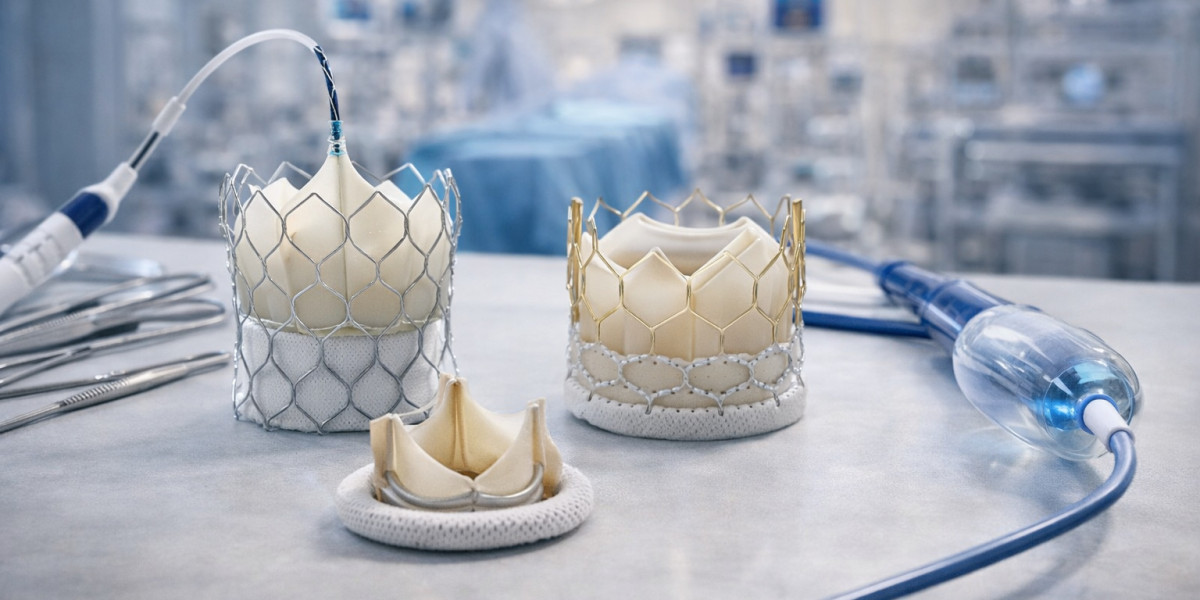

The global aortic valve replacement (AVR) devices market is experiencing strong and sustained growth, driven by the rising global burden of cardiovascular diseases, rapid advancements in cardiac technologies, and expanding access to specialized healthcare services. Valued at US$ 7,113.39 million in 2022, the market is projected to reach US$ 18,070.32 million by 2030, registering a robust compound annual growth rate (CAGR) of 12.4 % during the forecast period. This impressive growth trajectory highlights the increasing acceptance of advanced valve replacement therapies across both developed and emerging healthcare markets.
Aortic valve disease—particularly aortic stenosis and aortic regurgitation—continues to be a major contributor to cardiovascular morbidity and mortality, especially among aging populations. As global life expectancy rises, the prevalence of degenerative valvular disorders is increasing significantly, creating sustained demand for valve repair and replacement procedures. Aortic valve replacement plays a critical role in restoring normal blood flow, alleviating symptoms such as chest pain, fatigue, and shortness of breath, and improving long-term survival and quality of life. These proven clinical benefits are encouraging early diagnosis and proactive treatment decisions among both physicians and patients.
One of the key drivers fueling market expansion is the steady increase in aortic valve replacement procedures worldwide. Improvements in noninvasive imaging technologies, such as echocardiography and CT angiography, have enhanced diagnostic accuracy and enabled earlier detection of valvular abnormalities. In parallel, expanding access to cardiac care, increasing healthcare spending, and greater awareness of heart valve diseases are driving higher procedural volumes. Healthcare systems are also increasingly emphasizing preventive cardiology and early intervention strategies, further supporting market growth.
Technological innovation remains a central pillar of the aortic valve replacement devices market. Minimally invasive approaches, particularly transcatheter aortic valve replacement (TAVR), have transformed the treatment paradigm. TAVR has emerged as a preferred alternative to traditional open-heart surgery, especially for elderly patients and those at high or intermediate surgical risk. Benefits such as reduced hospital stays, faster recovery times, lower complication rates, and improved procedural safety have significantly accelerated adoption. Continuous improvements in valve design, delivery systems, imaging guidance, and biocompatible materials are enhancing procedural precision, durability, and patient outcomes.
Request to sample Report-https://www.theinsightpartners.com/sample/TIPRE00002871
Market Segmentation
From a product standpoint, sutureless and rapid-deployment valves accounted for a substantial share of the market in 2022. These valves offer shorter operative times, reduced cardiopulmonary bypass duration, and simplified implantation compared to conventional mechanical valves. Their clinical advantages make them particularly suitable for patients with multiple comorbidities or limited tolerance for lengthy surgical procedures. As hospitals continue to focus on efficiency, patient safety, and cost optimization, the adoption of sutureless valve technologies is expected to increase steadily.
Based on surgery type, minimally invasive procedures dominated the market and are anticipated to grow at a faster pace than conventional open surgery. The increasing preference for catheter-based interventions reflects a broader shift toward less invasive cardiovascular treatments. Advances in robotic assistance, real-time imaging, and procedural standardization are allowing surgeons to achieve optimal outcomes with minimal tissue disruption, further strengthening demand for minimally invasive solutions.
In terms of end users, hospitals and specialized cardiac clinics represent the largest market segment. These facilities are equipped with advanced infrastructure, experienced cardiac surgeons, hybrid operating rooms, and comprehensive post-operative care capabilities. The growing geriatric population, increasing hospitalization rates for cardiovascular diseases, and expansion of tertiary and quaternary care centers are collectively supporting strong demand from hospital-based settings. Ambulatory surgical centers are also expected to witness gradual growth as minimally invasive procedures become more streamlined and cost-effective.
Regionally, North America accounted for the largest share of the global aortic valve replacement devices market in 2022. Factors such as high disease prevalence, favorable reimbursement frameworks, early adoption of innovative technologies, and the strong presence of leading medical device manufacturers support regional dominance. Continuous clinical research, frequent regulatory approvals, and growing adoption of next-generation transcatheter valves further reinforce market growth, particularly in the United States. Meanwhile, Europe remains a key market due to its aging population and well-established healthcare systems, while Asia Pacific is expected to witness the fastest growth owing to improving healthcare infrastructure and rising patient awareness.
Key Players in the Aortic Valve Replacement Devices Market
- Abbott Laboratories
- Medtronic Plc
- Edwards Lifesciences Corp
- Boston Scientific Corp
- LivaNova Plc
- Artivion Inc
- JenaValve Technology Inc
- Venus MedTech HangZhou Inc
- Braile Biomedica Industry, Commerce and Representations Ltd
These companies are actively investing in research and development, product innovation, regulatory approvals, mergers and acquisitions, and strategic partnerships to strengthen their competitive positions and expand global market reach.
Market Challenges and Considerations
Despite strong growth prospects, the market faces certain challenges, including the high cost of valve replacement devices, limited access in low-income regions, and stringent regulatory approval processes. Additionally, long-term durability concerns and the need for repeat interventions in younger patient populations remain areas of ongoing research.
Future Outlook
The future outlook for the aortic valve replacement devices market remains highly optimistic. Ongoing clinical trials are expected to expand the use of transcatheter and sutureless valves into low-risk patient populations, significantly broadening the addressable market. Emerging economies are poised to offer substantial growth opportunities as healthcare infrastructure improves and awareness of valvular heart disease increases. Furthermore, advancements in tissue engineering, 3D printing, artificial intelligence–guided procedures, and personalized valve solutions are likely to redefine treatment standards over the next decade. Collectively, these trends position the aortic valve replacement devices market for sustained growth, innovation, and global expansion through 2030 and beyond.
Related Report