
Gluten-free products are foods formulated or naturally occurring without gluten, a protein found in wheat, barley, rye, and their derivatives. They cater to people with celiac disease, gluten sensitivity, or those choosing this diet for other health reasons.
Gluten-Free Products Market Size and Outlook
The global gluten-free products market is witnessing strong growth, driven by increasing consumer awareness of gluten-related health conditions, such as celiac disease and gluten intolerance, as well as a broader shift toward healthier eating habits. Once considered a specialty segment, gluten-free products have become mainstream, appealing not only to those with medical necessity but also to health-conscious consumers seeking benefits like improved digestion, higher energy levels, and weight management.
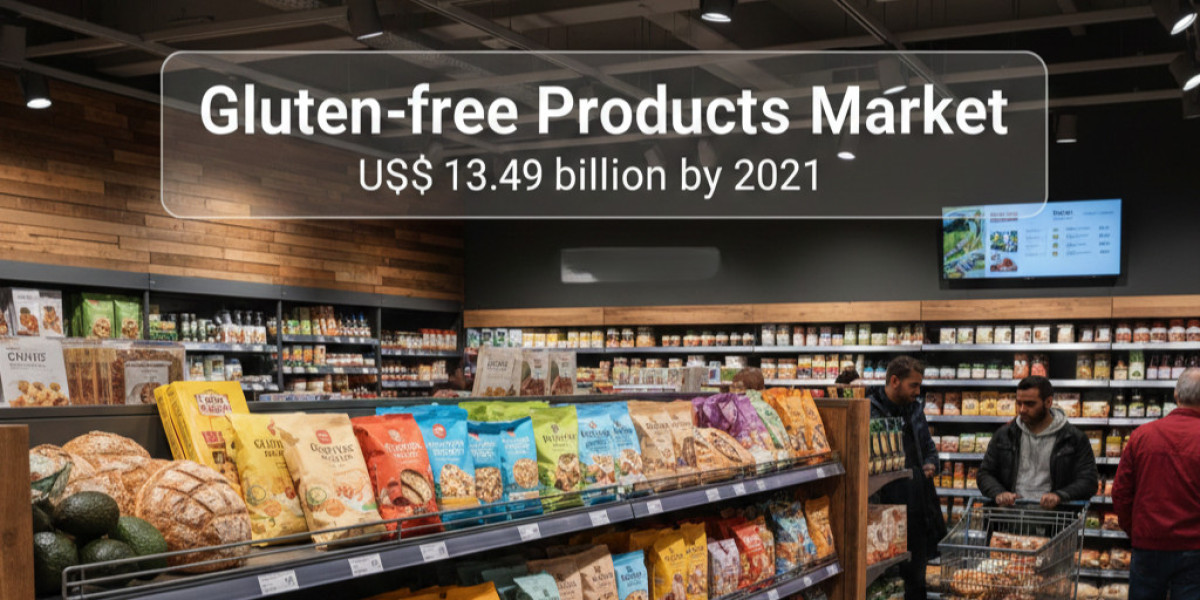
The market was valued at US$ 7.67 billion in 2024 and is expected to reach US$ 13.49 billion by 2031, growing at a CAGR of 8.4% from 2025 to 2031. Increasing demand for clean-label, fortified, and allergen-free products is shaping new trends and driving innovation within the industry.
Advances in ingredient technology and product formulation have improved the taste, texture, and nutritional profile of gluten-free alternatives, enhancing consumer acceptance. Popular product categories include bakery goods, snacks, pasta and noodles, ready-to-eat (RTE) and ready-to-cook (RTC) meals, breakfast cereals, and flour-based products.
Key Market Drivers
Increasing Awareness of Gluten Intolerance and Celiac Disease
Health campaigns and medical advancements have raised awareness of gluten-related disorders globally. In the U.S., around 1 in 133 individuals are affected by celiac disease, while in Saudi Arabia, prevalence rates reach 10.6% (biopsy-proven) and 15.6% (seroprevalence). Many consumers are now proactively eliminating or reducing gluten from their diets, even without a formal diagnosis. This behavioral shift has created a significant opportunity for manufacturers to expand gluten-free offerings.
Expansion of Retail and E-Commerce Channels
The development of modern retail infrastructure and the proliferation of e-commerce platforms have made gluten-free products more accessible than ever. Supermarkets, hypermarkets, and convenience stores, including chains like Carrefour, Lulu, Panda, and Danube, are increasingly stocking gluten-free items. Online platforms such as Amazon, Tesco, and Walmart allow consumers to purchase gluten-free products conveniently, while rising internet and smartphone penetration further boost online sales.
Download PDF Copy- https://www.theinsightpartners.com/sample/TIPRE00003966
Market Segmentation
By Product Type:
- Bakery Products (bread, rolls, pizza, cakes, muffins, cookies, biscuits)
- Confectionery Bars
- Pasta and Noodles
- Breakfast Cereals
- Snacks
- Ready-to-Eat (RTE) and Ready-to-Cook (RTC) Meals
- Flour
- Others
By Distribution Channel:
- Supermarkets and Hypermarkets
- Convenience Stores
- Online Retail
- Others
In 2024, bakery products held the largest market share, while supermarkets and hypermarkets led distribution, reflecting both consumer preference and product availability.
Regional Insights
Europe is a leading market for gluten-free products due to high celiac disease prevalence and strict food labeling regulations. Approximately 1 in 100 Europeans are affected by celiac disease, yet only 25% are diagnosed. Regulatory bodies, including the European Commission and initiatives like the Gluten-Free Alliance, ensure product safety, proper labeling, and certification transparency. Brands such as Warburtons in the UK have expanded their gluten-free offerings with soft pittas, fruity buns, and seeded rolls, meeting growing consumer demand.
Key Players in the Gluten-Free Products Market
- American Garden
- Nestlé SA
- General Mills Inc.
- Dr. Schär AG
- Hunter Foods LLC
- Blue Diamond Growers
- Mondelez International Inc.
- Mister Freed
- YummyEarth Inc.
These companies are driving market growth through product innovation, digital expansion, and strategic partnerships. Recent product launches, such as Goodles’ gluten-free pasta lineup and Feel Good Foods’ frozen chicken soup dumplings, illustrate the market’s innovation and consumer-driven focus.
Future Outlook
The gluten-free products market is poised for sustained growth through 2031. Rising health awareness, increasing disposable income, and expanding e-commerce channels are expected to continue fueling demand. Manufacturers are likely to focus on product innovation, clean-label formulations, fortified nutrition, and enhanced taste and texture. As gluten-free diets gain wider acceptance beyond diagnosed patients, the market will increasingly cater to diverse consumer needs, supporting long-term growth and solidifying gluten-free products as a mainstream segment within the global food industry.
Related Reports-